by sam on 07/12/2015
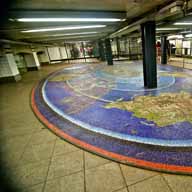
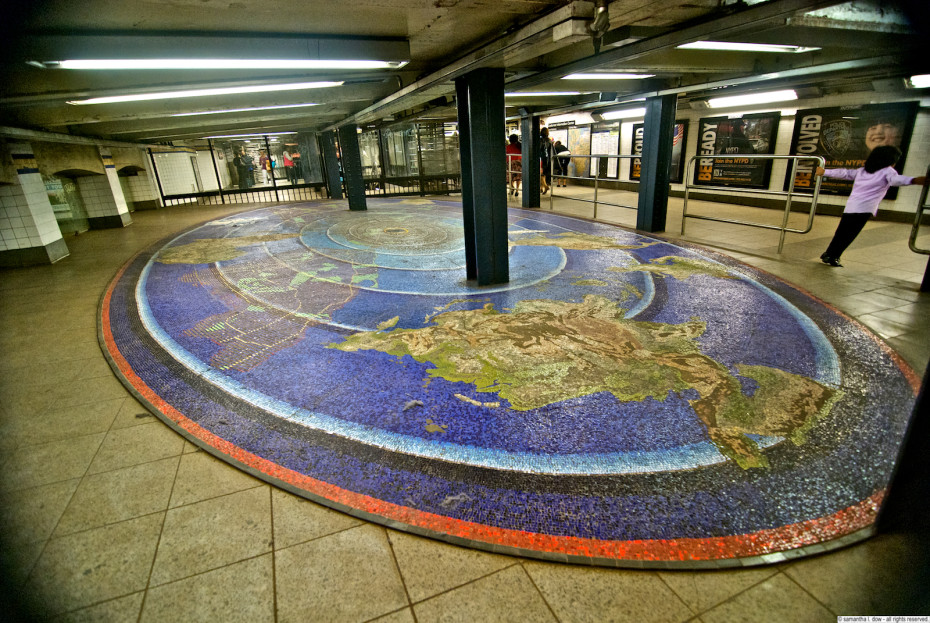
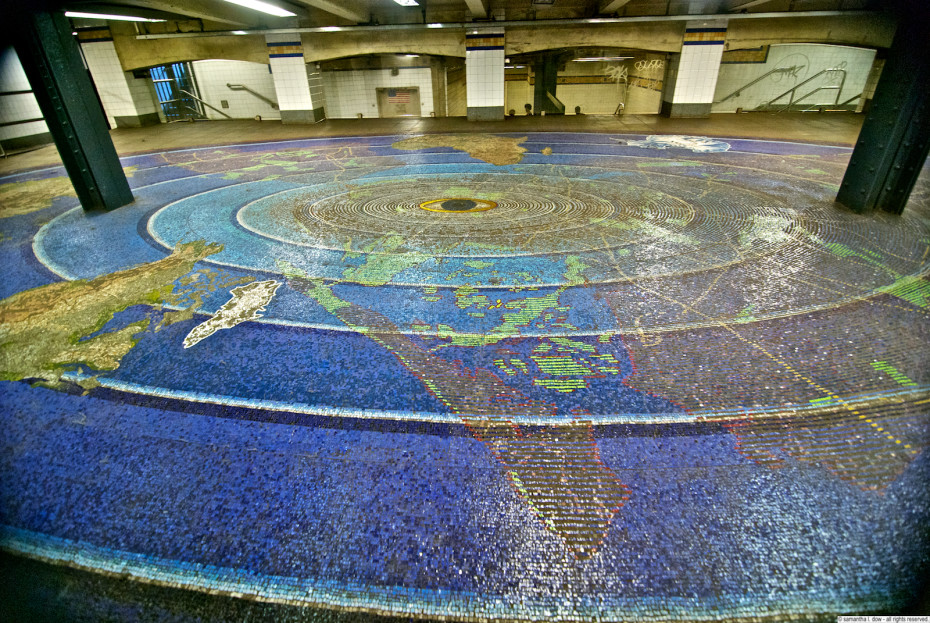
This platform/station is a combined transfer station with the Chambers Street A/C/E (IND) and forms a fairly large complex, but those platforms will be addressed separately. Directly upstairs from the 2/3 train platform itself is the first part of the “Oculus” mosaic, consisting of a giant tiled map of the world radiating out from an eye. The remainder of this installation will be addressed in the entry for the Chambers Street station.
The entire mezzanine runs approximately 7 blocks, and used to also contain a station specifically for the World Trade Center. The station, including the mezzanine with Oculus and the platforms, were damaged and flooded on 9/11. The artwork remained mostly intact and the station reopened 8 months after the attacks.
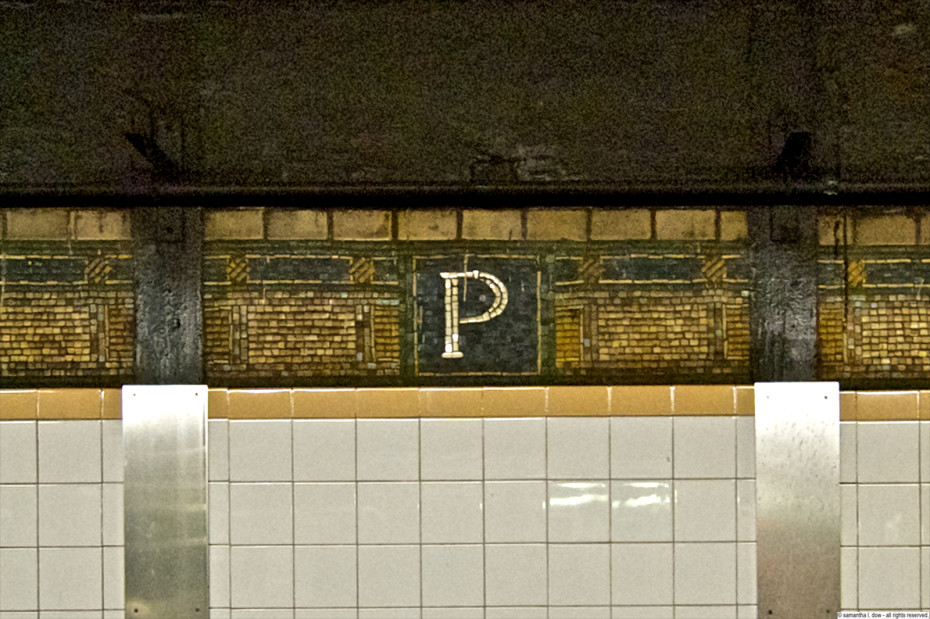
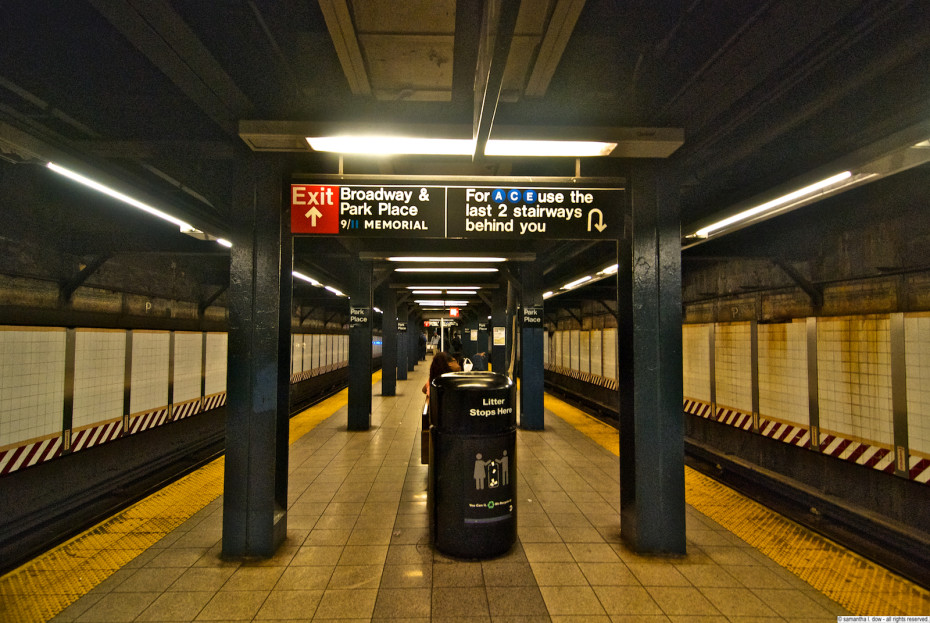
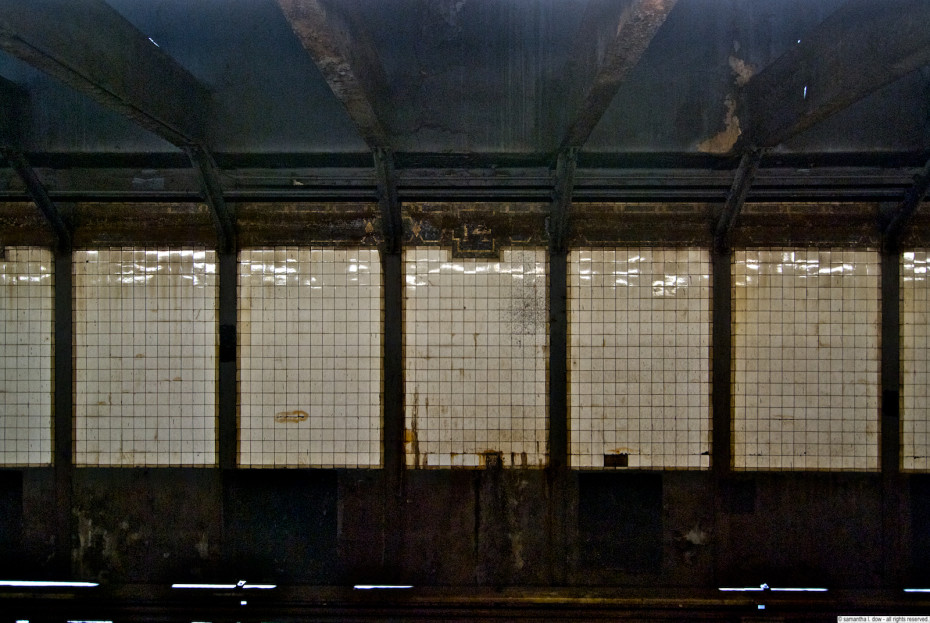
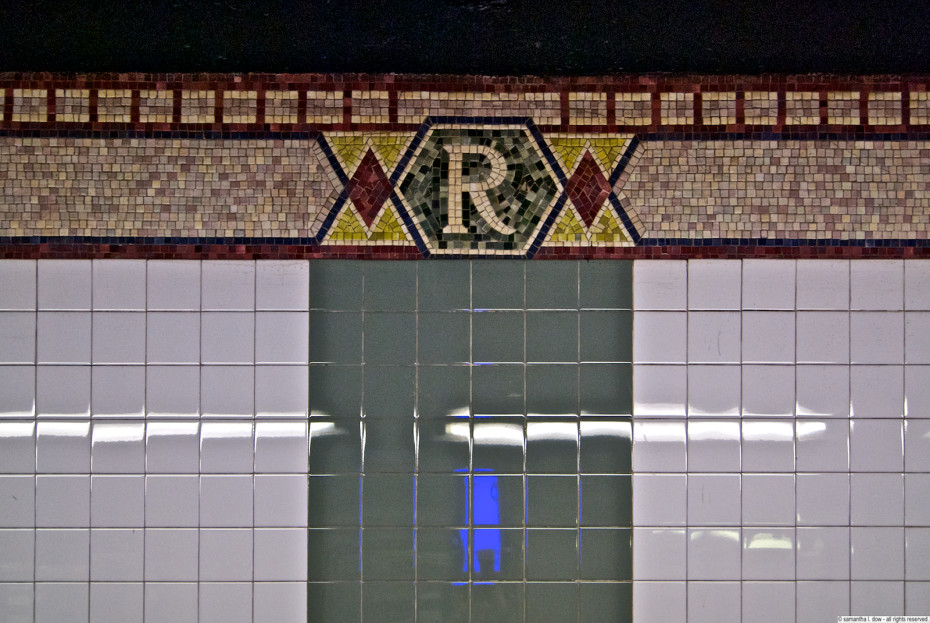
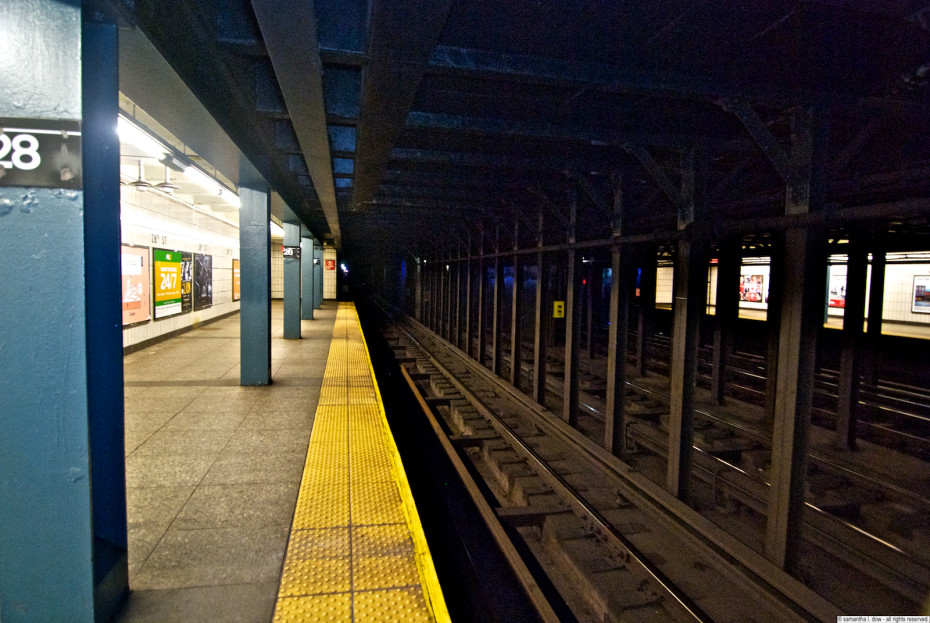
The Park Place platform itself only contains the standard IRT wall ribbon with the identifying single letter indicating the station. There is some obvious and extensive water damage going on at this platform, but it’s hard to say whether this is remnants of the flooding that occurred or just normal wear-and-tear of the last 14 years.
Station opened: August 1, 1918
Original system: IRT
Trains: 2/3
Source/More info: Wikipedia; MTA Arts & Design


by sam on 07/4/2015
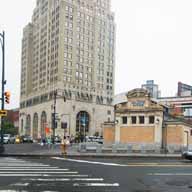
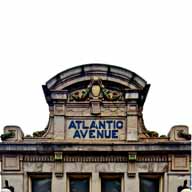
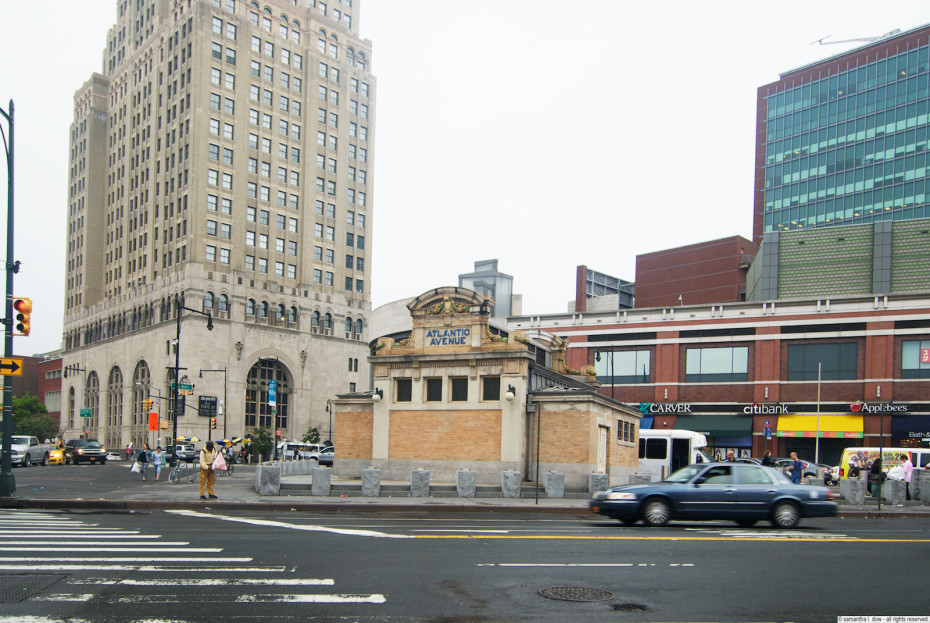
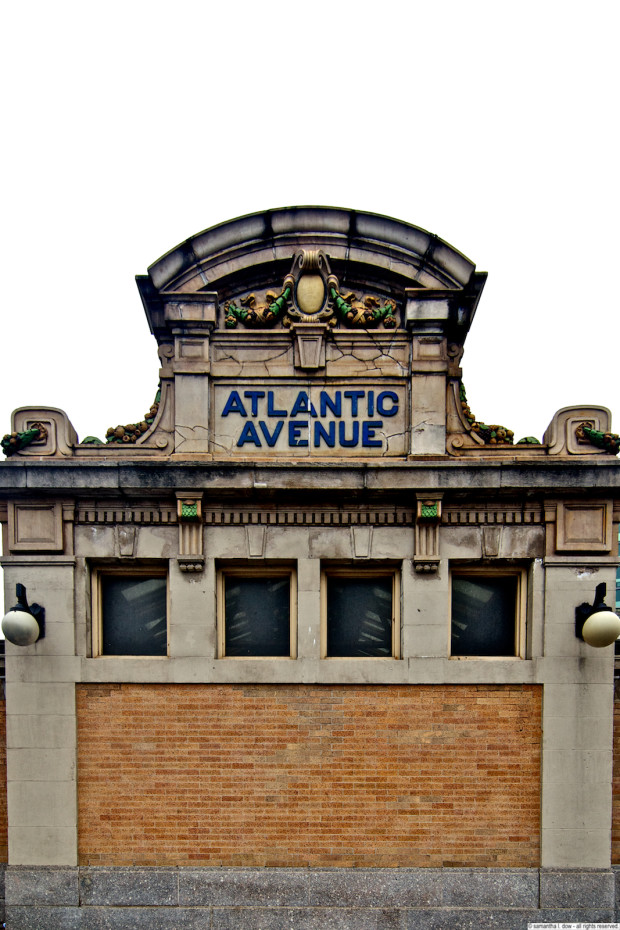
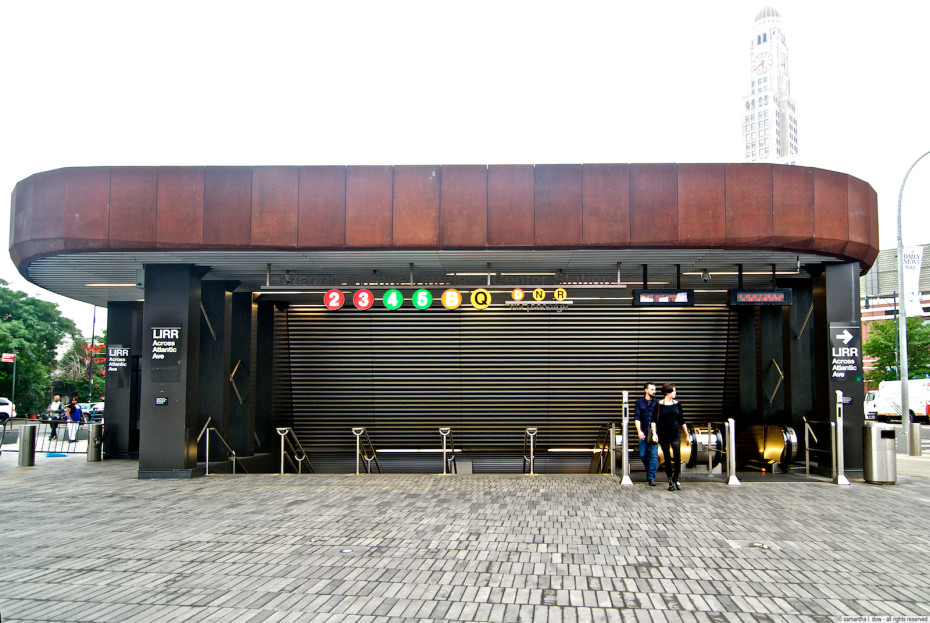
The Atlantic Avenue station is a monster transfer station in Brooklyn, that has been completely renovated in conjunction with the development of the Barclays Center. It actually connects 9 different subway lines, but through a series of connections and different platforms. I only ended up here because I was attempting to ride the D train along the route to Coney Island, forgetting that it was the day of the Mermaid Parade, making the trains an overcrowded mess, so once I hit Pacific Street, I turned around and came home.
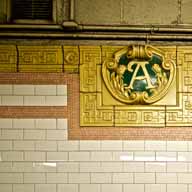
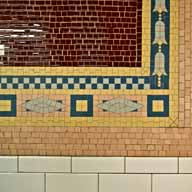
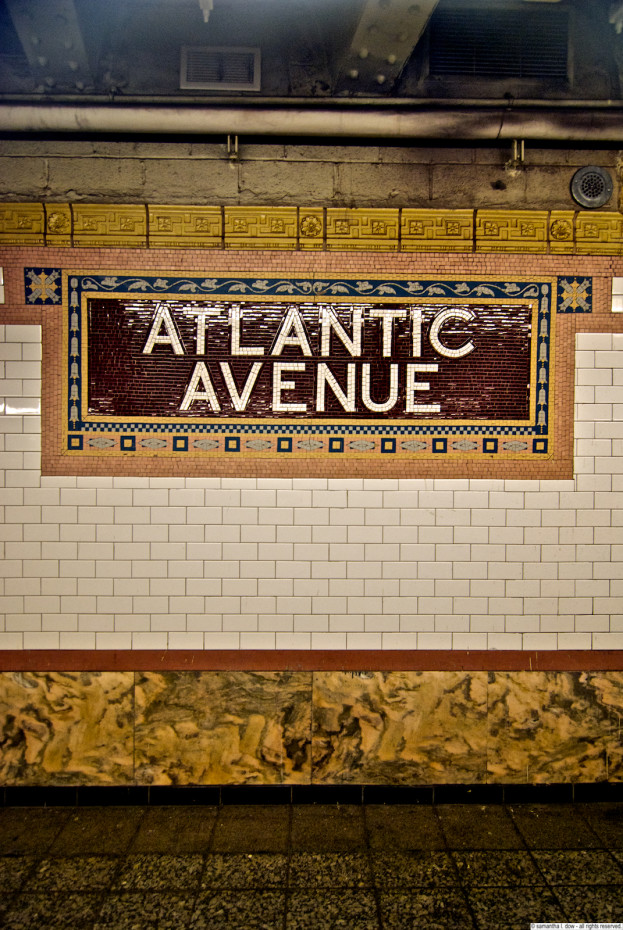
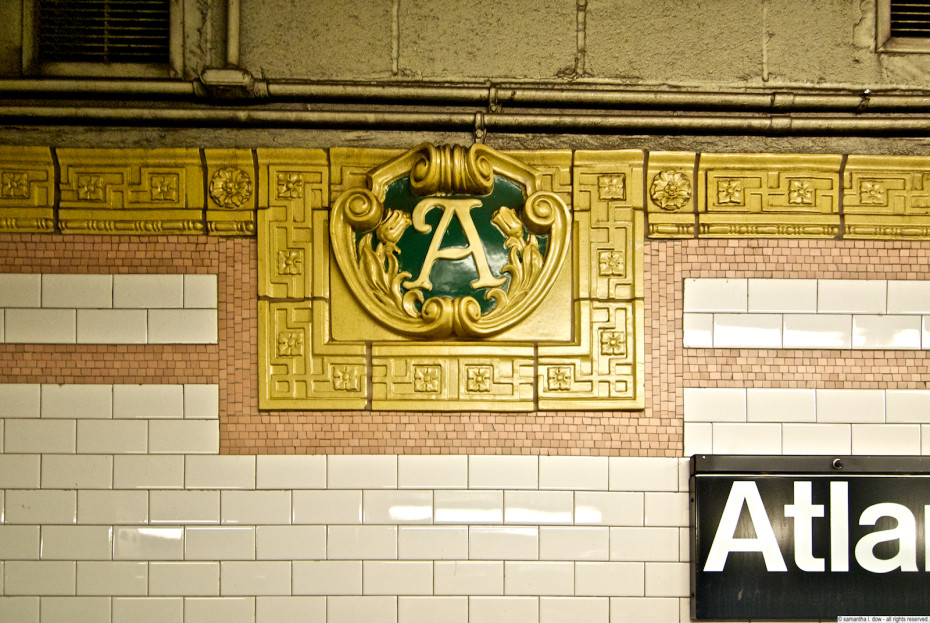
(Pacific Street is a station that technically doesn’t exist anymore and is now actually part of the Atlantic Ave complex – there will be a separate entry for the Pacific street platform). I decided to get some fresh air while I was turning around and took some shots of the original headhouse. as well as the shiny new Barclays Center subway entrance. The original headhouse is not used as an entrance anymore and was actually moved from its original location – it’s purely decorative now and is used as a skylight for the station. While this station has been entirely renovated, they have maintained the original (or original style) station mosaics and initial markers on this platform, even when embedding them in more modern surfaces, like glass brick.
Station opened: May 1, 1908
Original system: IRT
Trains: 2/3/4/5
Source/More info: Wikipedia, nycsubway.org



by sam on 07/4/2015
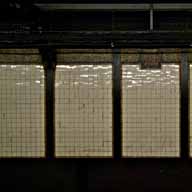
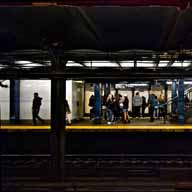
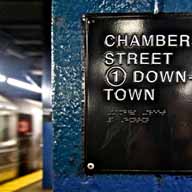
Reports indicate that this station was renovated in 2007-2009, but you wouldn’t be able to tell from the deteriorated condition of the wall mosaics. Here the barely visible and water-stained mosaics represent King’s College, which is now known as Columbia University, and which was located downtown in its original incarnation.
Station opened: July 1, 1918
Original system: IRT
Trains: 1/2/3
Source/More info: Wikipedia


by sam on 06/20/2015
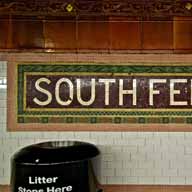
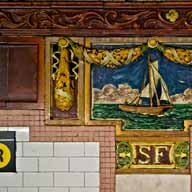
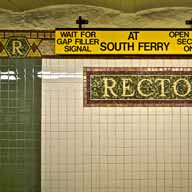
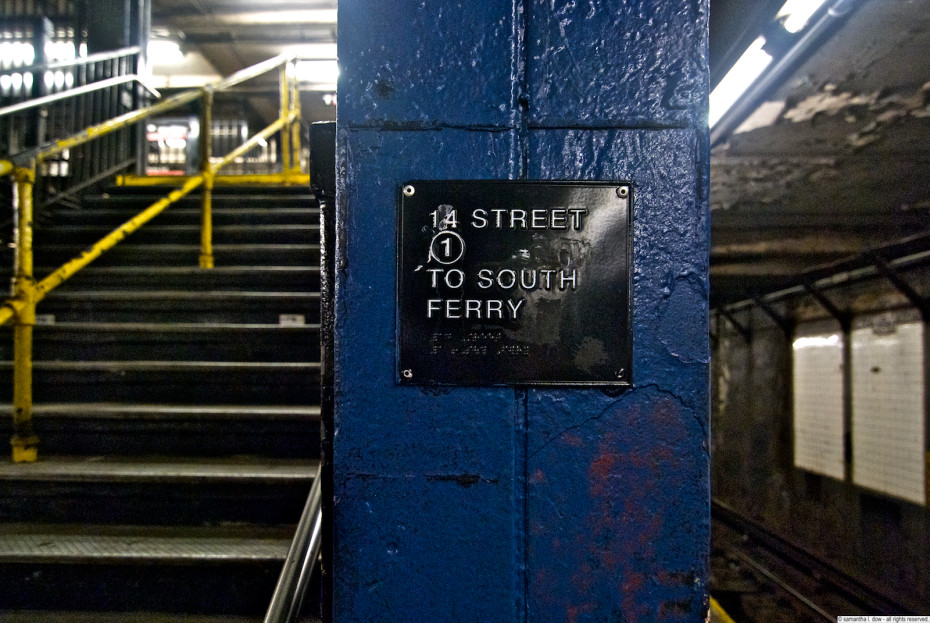
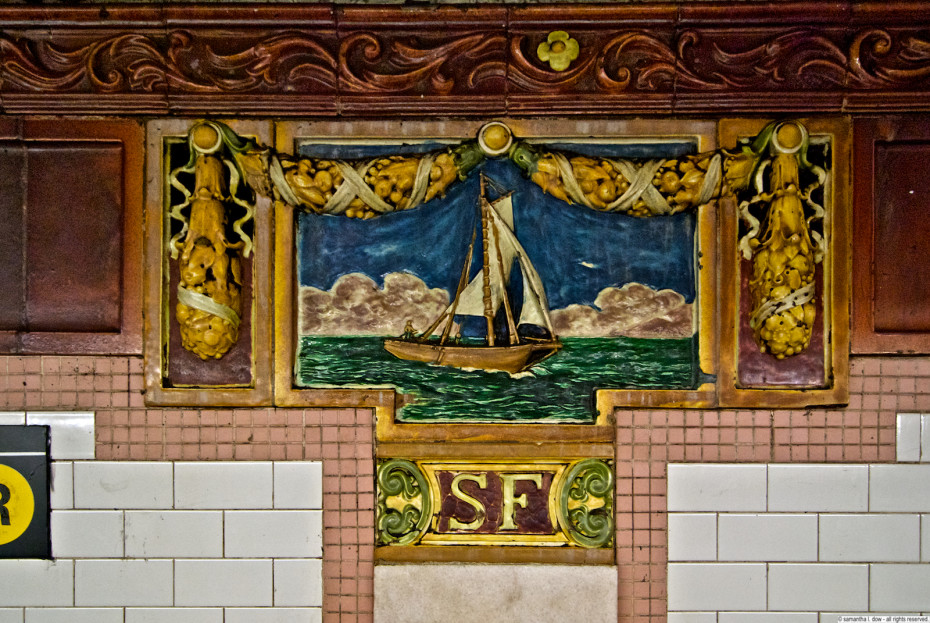
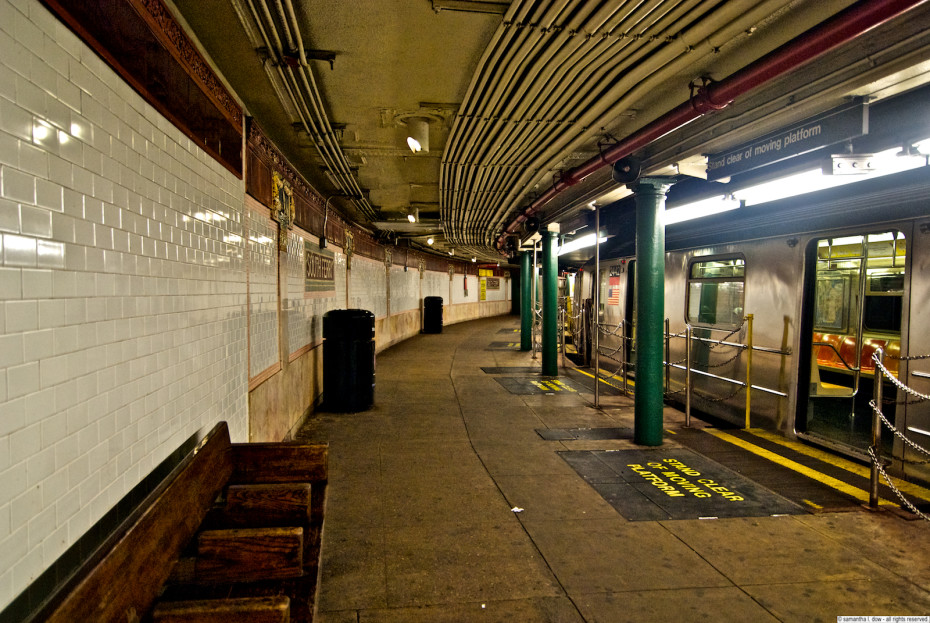
The South Ferry Station is one of the oldest in the system, and was not built to accommodate the current configuration of subway cars. Because of this, an entirely new station was built and opened in 2009. Unfortunately, the new South Ferry station suffered massive flood damage during Hurricane Sandy and was effectively destroyed, so the “old” South Ferry Station was brought back into use.
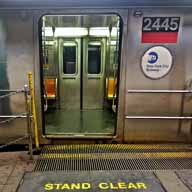
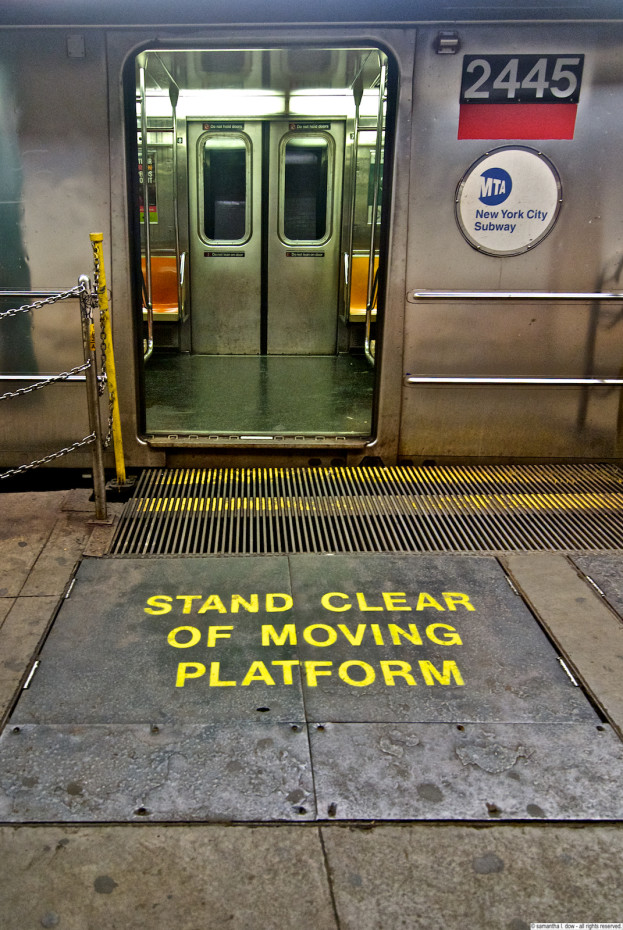
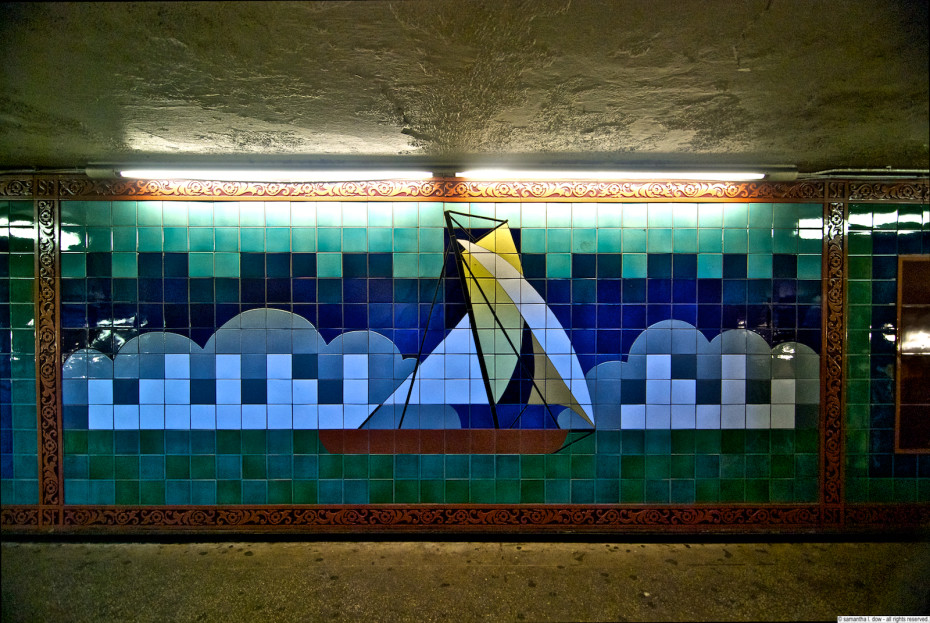
This station is one of the few without a straight platform – it consists of two “loops” – only the outer one is in use for passengers. It is also too short for the current 8-10 car train configurations, so you must be riding in the first 5 cars of the train to exit at this station. In addition, the curved nature of the platform requires moving platform “fillers” to fill the gap between the train and the platform at each train door. Needless to say, despite the incredibly beautiful mosaics and artwork in this station, there were a significant number of practical reasons why this station was taken out of service, and it was only the short-sighted failure to flood-proof the new station (which sits at the tip of lower manhattan below sea level in a massive flood plain) that brought this station back into view. Definitely a boon to someone like me who wants to photograph such classic features. Not so much for the hordes of people who have to commute in and out of here during the week.
Station opened: July 19, 1905; closed March 16, 2009; reopened April 4, 2013
Original system: IRT
Trains: 1
Source: Wikipedia (click here for some photos of the extensive damage to the new station as well)

by sam on 06/14/2015
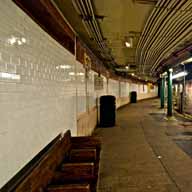
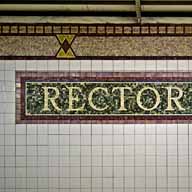
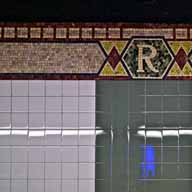
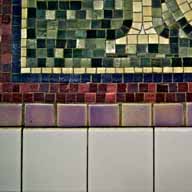
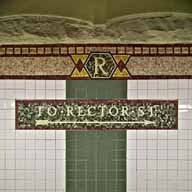
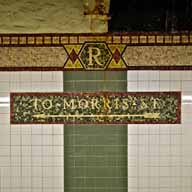
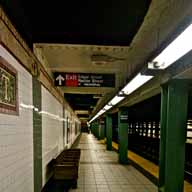
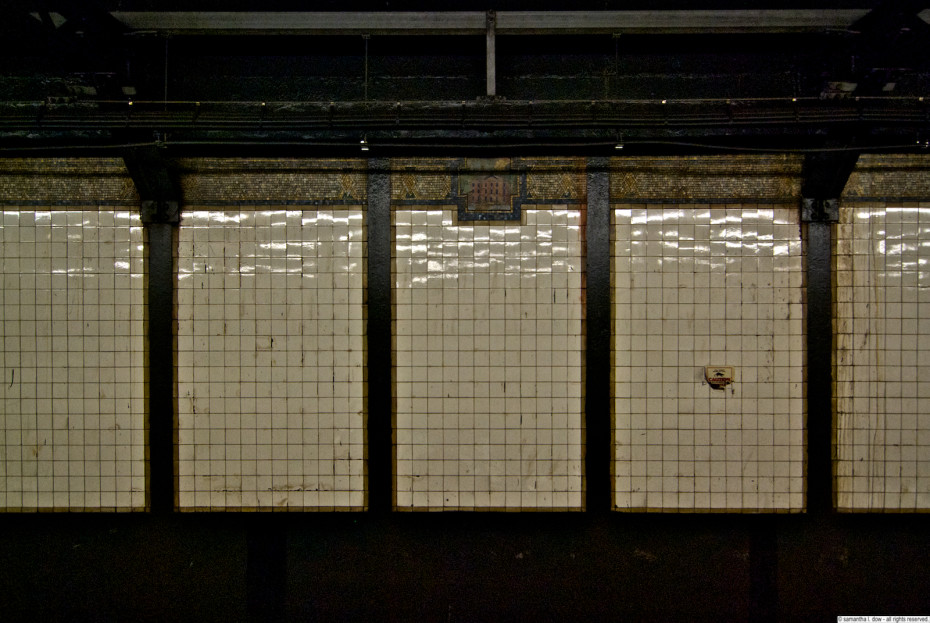
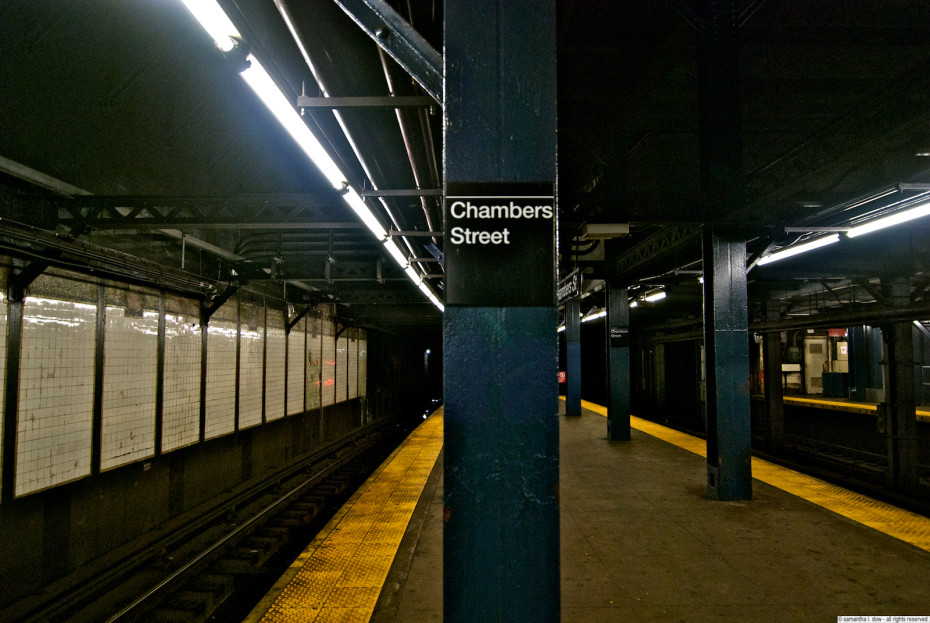
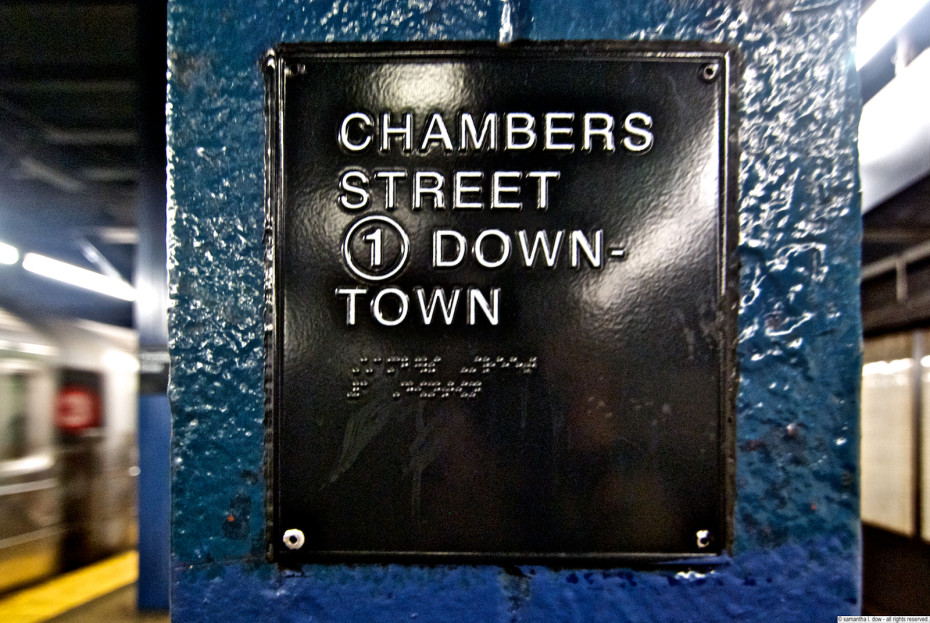
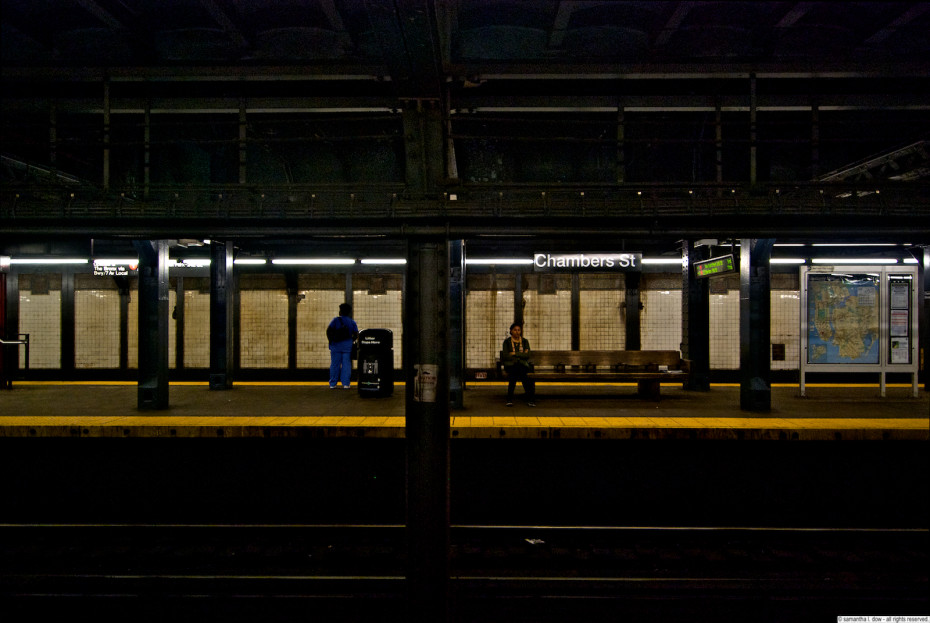
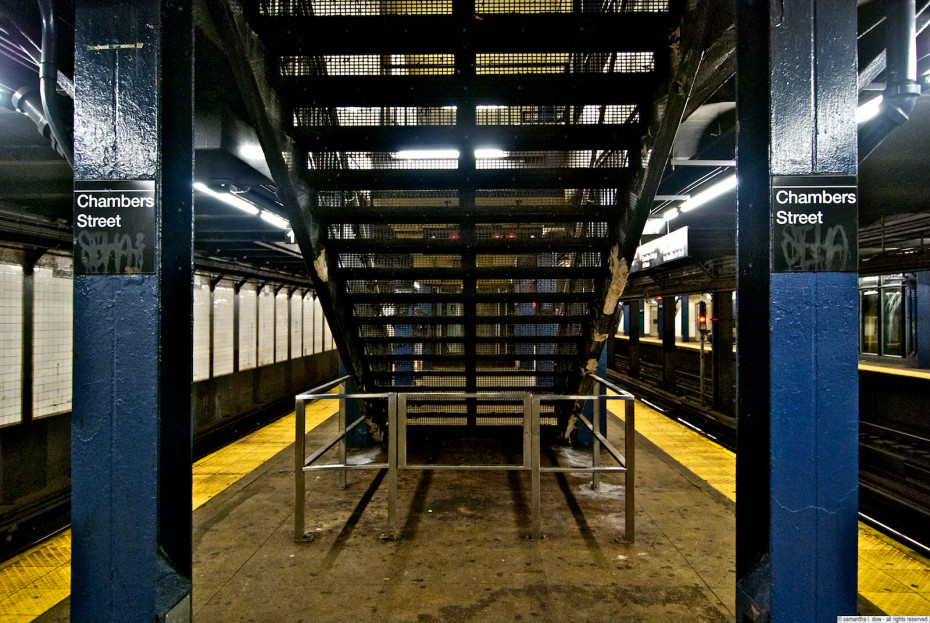
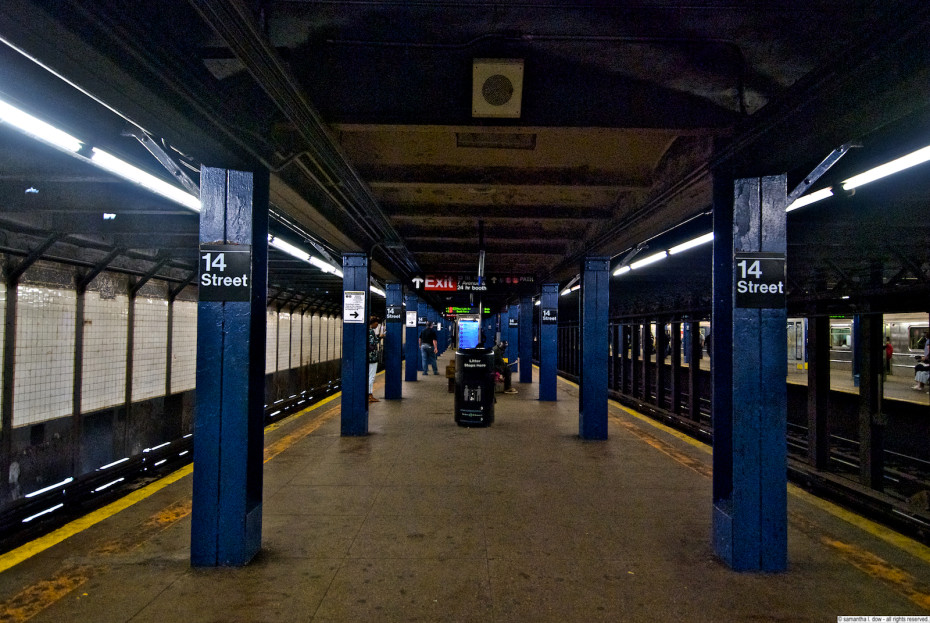
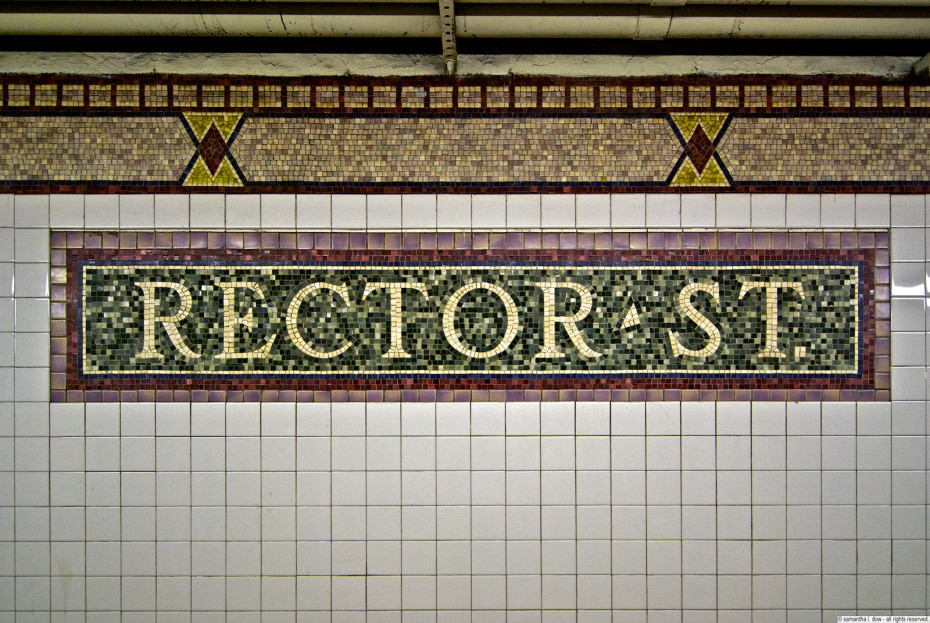
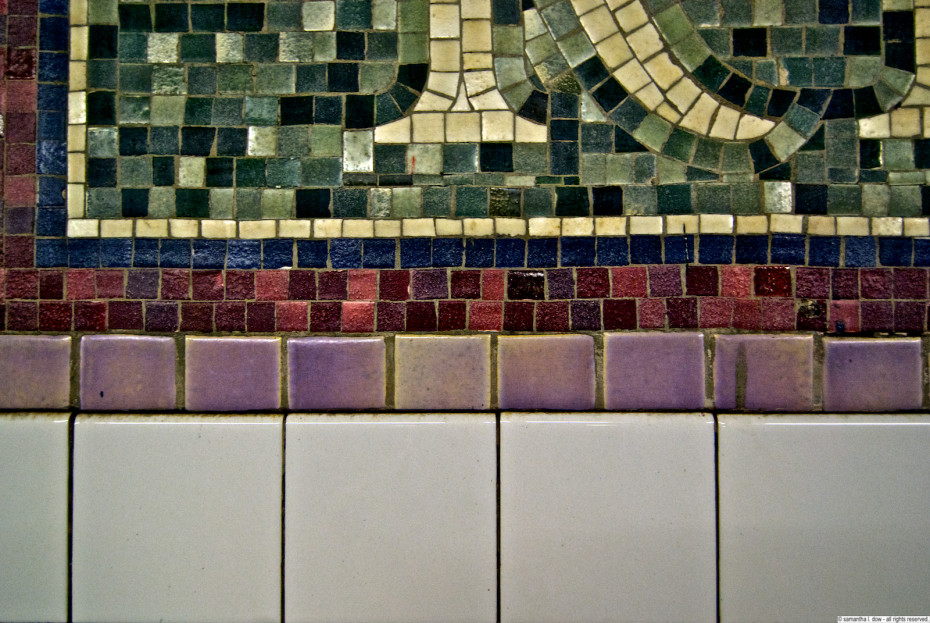
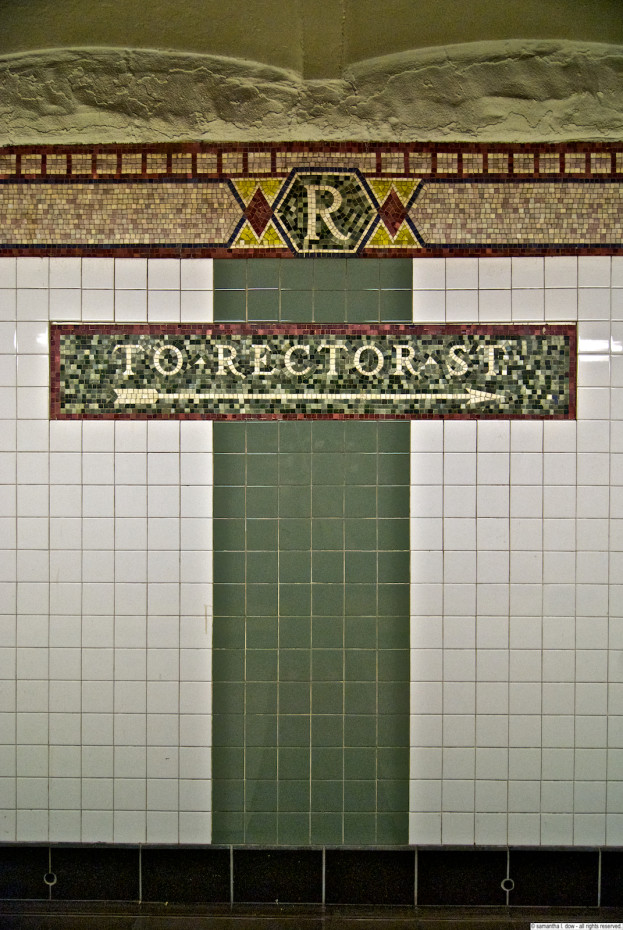
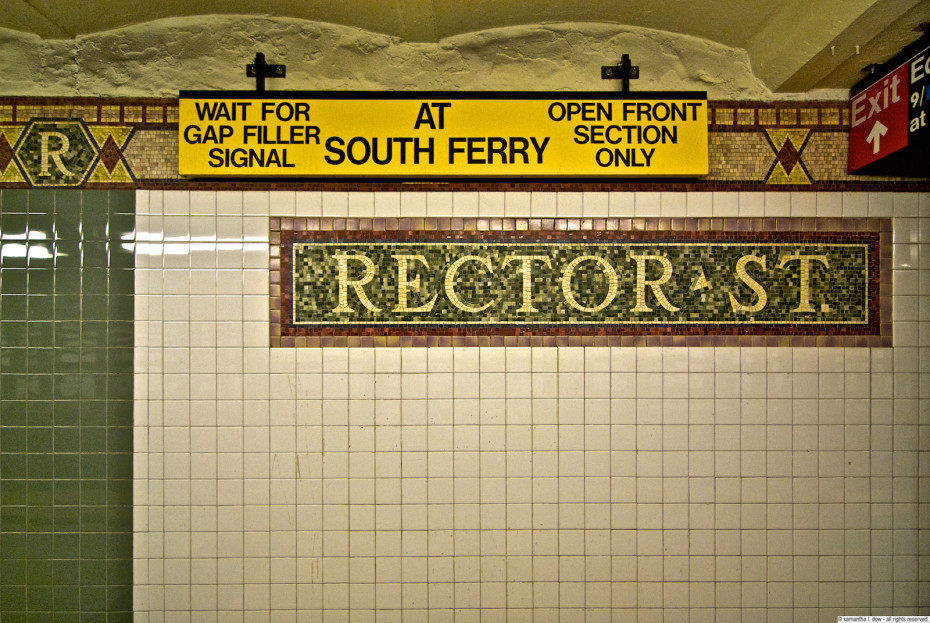
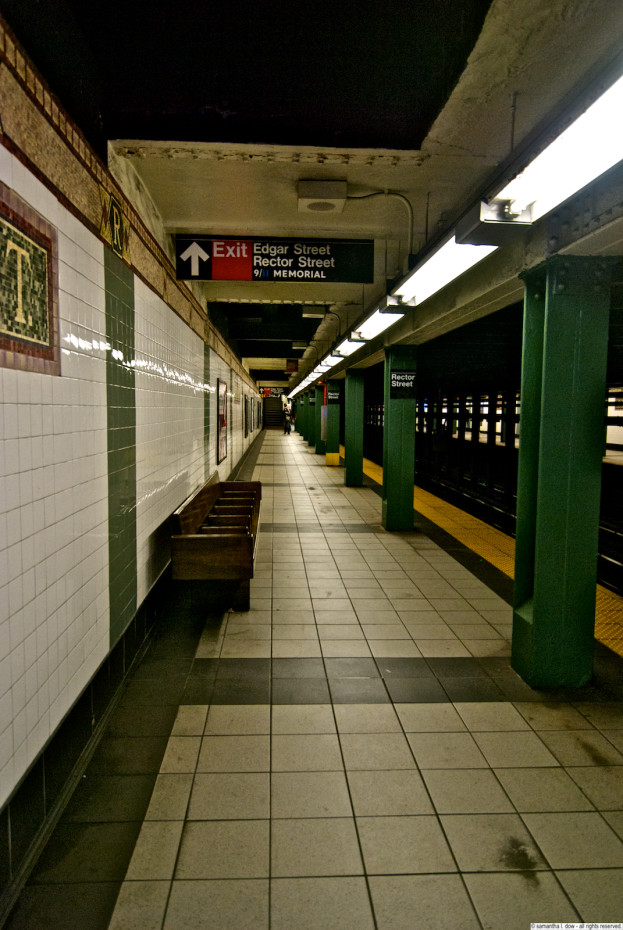
Here is yet more of the original IRT tile work, this time in pinkish hues. I particularly like that while the entire line was thematically consistent with the tiling, each station had its own color scheme. As with the other stations on the way downtown, the mosaics here are principally identificational and directional. We’re also now in the part of Manhattan without numbers. That being said, i can’t emphasize how nice it is when your train pulls into a station and there is clearly visible signage letting you know where you are. You’d be surprised at the number of stations on other lines where you have to pretty much guess.
This station was closed and renovated for approximately a year following the attacks of September 11, 2001, because the nearby tunnels collapsed and the line was shut during that period.
Station opened: July 1, 1918 (Renovated 2002)
Original system: IRT
Trains: 1
Source: Wikipedia














#/media/File:Bleecker_Street_IRT_004.jpg)